What Is Chronic Kidney Disease
(CKD)?
Chronic Kidney Disease (CKD) is a condition in which
the kidneys gradually lose their ability to function over months or years. It is one
of the most common chronic health problems worldwide and often develops silently, with
many people having no symptoms in the early stages.
Early detection and appropriate treatment can slow or
even delay the progression of kidney disease, helping people live healthier and more
active lives.
What Do the Kidneys Do?
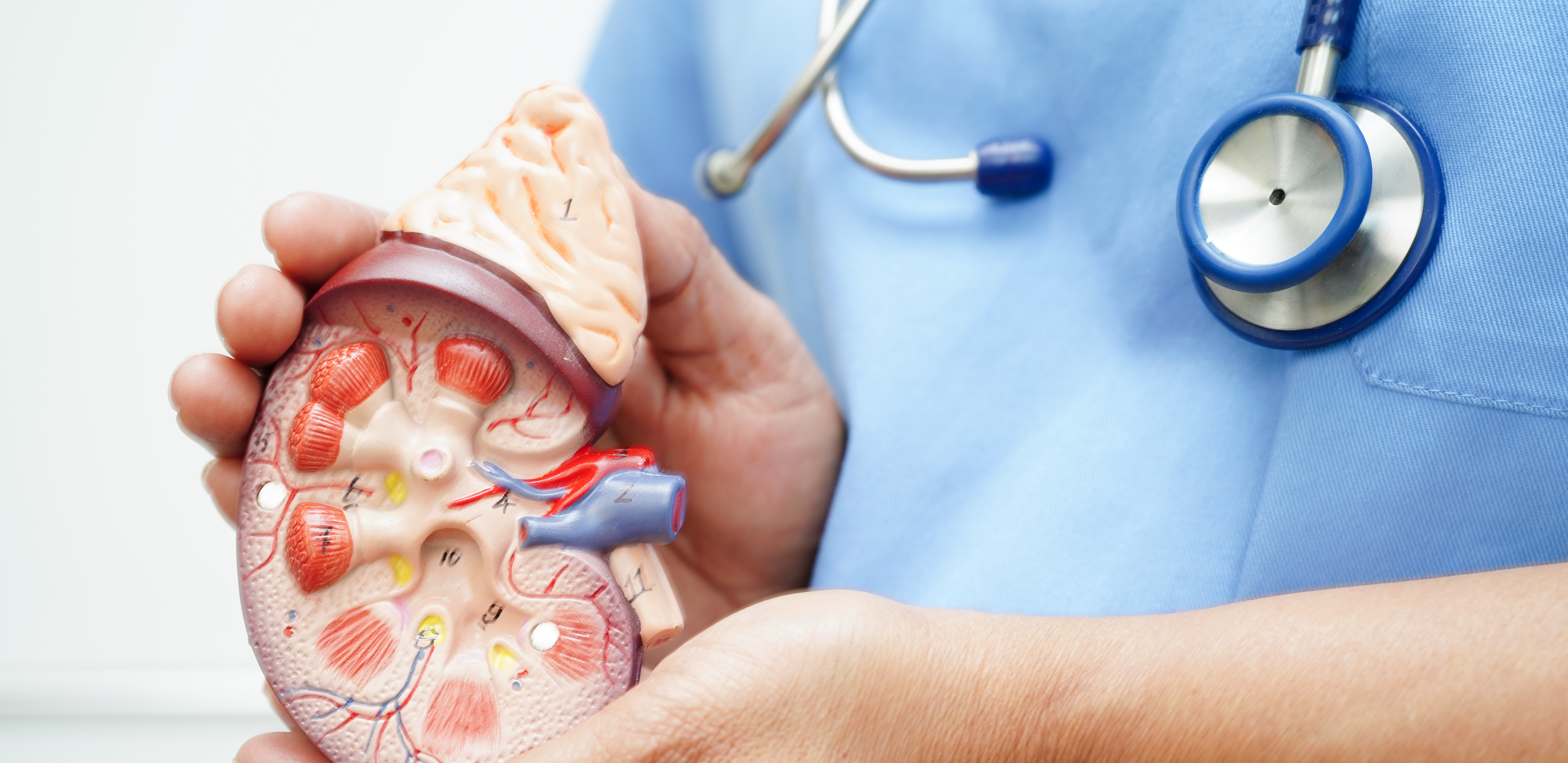
Your kidneys are two bean-shaped organs located on
either side of your spine, just below the rib cage. They perform several vital
functions to keep your body healthy. Healthy kidneys:
- Remove waste products and toxins from the blood
- Remove excess water through urine
- Balance minerals such as sodium, potassium, and calcium
- Help control blood pressure
- Produce hormones that make red blood cells
- Keep bones strong by activating vitamin D
- Help maintain the body's acid-base balance
When the kidneys are damaged, these important
functions gradually become impaired.
What Is Chronic Kidney Disease (CKD)?
Chronic Kidney Disease means that the kidneys have
been damaged or are not working normally for more than three months. CKD can range
from mild kidney damage to severe kidney failure. Many people live for years with CKD,
especially when it is diagnosed early and managed appropriately.
Unlike Acute Kidney Injury (AKI), which develops
suddenly, CKD progresses slowly over time.
What Causes Chronic Kidney Disease?
CKD has many possible causes. The most common
include:
- Diabetes – the leading cause of kidney disease worldwide.
- High blood pressure (Hypertension) – uncontrolled blood pressure can damage the
kidneys over time.
- Glomerular diseases – conditions affecting the kidney's filtering units.
- Genetic kidney diseases such as polycystic kidney disease.
- Recurrent kidney infections or urinary tract obstruction.
- Kidney stones causing repeated blockage.
- Autoimmune diseases such as lupus.
- Long-term use of certain painkillers (NSAIDs).
- Congenital kidney abnormalities present from birth.
Sometimes, the exact cause cannot be identified.
Who Is at Risk?
You may be at higher risk of CKD if you have:
- Diabetes
- High blood pressure
- Heart disease
- Obesity
- A family history of kidney disease
- Age over 60 years
- Previous Acute Kidney Injury (AKI)
- Smoking
- Long-term use of certain medications
- Autoimmune diseases
People with these risk factors should have regular
kidney health check-ups.
What Are the Symptoms?
CKD often has no symptoms in the early stages, which
is why it is sometimes called a "silent disease." As kidney function declines,
symptoms may include:
- Swelling of the feet, ankles, or face
- Tiredness and weakness
- Loss of appetite
- Nausea or vomiting
- Difficulty concentrating
- Muscle cramps
- Dry or itchy skin
- Foamy urine (due to protein in the urine)
- Blood in the urine
- High blood pressure
- Passing urine more often, especially at night
- Shortness of breath in advanced stages
Many patients are diagnosed through routine blood and
urine tests before symptoms appear.
How Is CKD Diagnosed?
Blood Tests
Blood tests measure
serum creatinine and estimate the Estimated Glomerular Filtration Rate (eGFR), which
shows how well the kidneys are filtering blood.
Urine Tests
Urine tests detect:
- Protein in the urine
- Blood in the urine
- Signs of infection
A Urine Albumin-to-Creatinine Ratio (UACR) is an
important test for detecting early kidney damage.
Imaging Tests
- Kidney ultrasound
- CT scan or MRI in selected cases
Kidney Biopsy
Some patients may
need a kidney biopsy to determine the exact cause of kidney disease.
Understanding the Stages of CKD
CKD is divided into five stages based on the
Estimated Glomerular Filtration Rate (eGFR).
- Stage 1 – Normal or near normal (eGFR ≥90) with evidence of
kidney damage – Early kidney disease
- Stage 2 – Mild decrease (eGFR 60–89) – Mild kidney damage
- Stage 3a – Mild to moderate decrease (eGFR 45–59) – Kidney
function beginning to decline
- Stage 3b – Moderate to severe decrease (eGFR 30–44) – Higher risk
of complications
- Stage 4 – Severe decrease (eGFR 15–29) – Preparation for kidney
replacement therapy may begin
- Stage 5 – Kidney failure (eGFR <15) – Dialysis or kidney
transplantation may be needed
The stage helps doctors plan treatment and monitor
progression.
What Complications Can CKD Cause?
As kidney function declines, CKD may lead to:
- High blood pressure
- Anemia (low red blood cell count)
- Bone and mineral disorders
- Fluid retention and swelling
- High potassium levels
- Heart disease and stroke
- Malnutrition
- Metabolic acidosis
- Kidney failure
Regular monitoring helps detect and treat these
complications early.
How Is CKD Treated?
Although CKD often cannot be completely cured,
treatment can slow its progression and reduce complications. Treatment may include:
- Controlling blood pressure
- Managing diabetes
- Medicines to reduce protein loss in the urine
- Cholesterol-lowering medications
- Treating anemia and bone disease
- Dietary advice from a renal dietitian
- Lifestyle modifications
- Avoiding medications that may harm the kidneys
- Regular follow-up with a nephrologist
In advanced CKD, dialysis or kidney transplantation
may become necessary.
Kidney-Friendly Lifestyle Tips
Protecting your kidneys starts with healthy daily
habits.
Eat a Healthy Diet
- Reduce salt intake.
- Eat plenty of fruits and vegetables if appropriate for your stage of CKD.
- Limit processed and packaged foods.
- Follow your doctor's advice regarding protein, potassium, and phosphorus.
Stay Physically Active
Aim for at
least 30 minutes of moderate exercise on most days of the week.
Control Diabetes
Maintain good
blood sugar control to reduce further kidney damage.
Control Blood Pressure
Keep your
blood pressure within the target range recommended by your doctor.
Maintain a Healthy Weight
Achieving a healthy weight reduces strain on your kidneys.
Stop Smoking
Smoking accelerates
kidney damage and increases the risk of heart disease.
Avoid Unnecessary Painkillers
Avoid regular use of NSAIDs such as ibuprofen, diclofenac, and naproxen unless advised
by your doctor.
Take Medicines as Prescribed
Never stop or change medications without consulting your healthcare provider.
Can CKD Be Prevented?
Not all kidney diseases can be prevented, but many
cases can be avoided or delayed by:
- Controlling diabetes and blood pressure
- Maintaining a healthy lifestyle
- Staying well hydrated
- Avoiding tobacco
- Limiting unnecessary painkiller use
- Treating urinary infections promptly
- Having regular kidney health screening if you are at high risk
When Is Dialysis Needed?
Dialysis is usually considered when kidney function
becomes very low and symptoms or complications cannot be controlled with medication
alone. Not everyone with CKD needs dialysis. Many people remain stable for years with
proper treatment and monitoring. Whenever appropriate, kidney transplantation may
offer the best long-term treatment for kidney failure.
When Should You See a Nephrologist?
You should consult a nephrologist if you have:
- Persistent protein or blood in the urine
- An eGFR below 60 mL/min/1.73 m² for more than three months
- Difficult-to-control high blood pressure
- Recurrent kidney stones or urinary infections
- Swelling of the body
- Rapidly worsening kidney function
- A family history of kidney disease
- Advanced diabetes with evidence of kidney involvement
Early referral to a nephrologist can help preserve
kidney function and improve long-term outcomes.