Glomerular Diseases
What Are Glomerular Diseases?
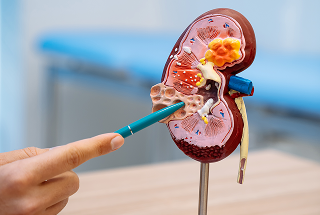
Your kidneys are made up of millions of tiny filters called glomeruli. These filters clean your blood by removing waste products and extra water while keeping important substances like proteins and blood cells inside your body.
Glomerular diseases are a group of conditions that damage these tiny filters. When the filters become inflamed or injured, they cannot work properly. This may lead to protein or blood leaking into the urine, swelling of the body, high blood pressure, and, if left untreated, loss of kidney function.
The good news is that many glomerular diseases can be treated successfully, especially when detected early.
Common Types of Glomerular Diseases
Some commonly diagnosed glomerular diseases include:
- Minimal Change Disease
- IgA Nephropathy
- Membranous Nephropathy
- Focal Segmental Glomerulosclerosis (FSGS)
- Lupus Nephritis
- Diabetic Kidney Disease
- ANCA-associated Vasculitis
- Post-infection Glomerulonephritis
Each condition has different causes and treatments, so an accurate diagnosis is very important.
What Causes Glomerular Diseases?
There are many possible causes, including:
- Autoimmune diseases (where the body's immune system attacks the kidneys)
- Diabetes
- High blood pressure
- Certain infections
- Some medications
- Genetic (inherited) conditions
Sometimes, the exact cause is unknown.
What Are the Symptoms?
Some people have no symptoms in the early stages and are diagnosed during a routine urine test. Possible symptoms include:
- Swelling of the feet, ankles, legs, or around the eyes
- Foamy or frothy urine
- Blood in the urine (red, brown, or tea-colored urine)
- High blood pressure
- Reduced urine output
- Tiredness and weakness
- Sudden weight gain due to fluid retention
- Shortness of breath in severe cases
If you notice these symptoms, you should consult a kidney specialist (Nephrologist).
Who Is at Risk?
Anyone can develop glomerular disease, but the risk is higher if you have:
- Diabetes
- High blood pressure
- Autoimmune diseases such as lupus
- A family history of kidney disease
- Frequent infections
- Obesity
- Certain genetic conditions
How Are Glomerular Diseases Diagnosed?
Your doctor may recommend:
- Urine examination
- Urine protein test
- Blood tests to check kidney function
- Blood pressure measurement
- Kidney ultrasound
- Special blood tests to identify the cause
- Kidney biopsy (in selected patients)
A kidney biopsy is a small procedure where a tiny sample of kidney tissue is examined under a microscope to determine the exact diagnosis.
Can Glomerular Diseases Be Treated?
Yes. Treatment depends on the specific disease and how severe it is. Treatment may include:
- Medicines to control blood pressure
- Medicines to reduce protein leakage
- Immunosuppressive medicines (when the immune system is causing damage)
- Diuretics ("water tablets") to reduce swelling
- Cholesterol-lowering medicines
- Dietary modifications
- Treatment of the underlying disease
The earlier treatment begins, the better the chances of protecting kidney function.
Can Glomerular Disease Lead to Kidney Failure?
Some forms are mild and completely recover with treatment. Others may slowly progress over many years. Without timely treatment, severe glomerular diseases can lead to:
- Chronic Kidney Disease (CKD)
- Kidney failure
- Dialysis
- Kidney transplantation
Early diagnosis and regular follow-up significantly reduce these risks.
When Should You See a Nephrologist?
Seek medical advice if you have:
- Persistent swelling of the body
- Foamy urine
- Blood in the urine
- High blood pressure that is difficult to control
- Unexplained decrease in kidney function
- Abnormal urine reports
- Persistent protein in the urine
Early consultation can make a significant difference in preserving kidney function.